Featured
Table of Contents
- – The Shift Towards Quantifiable Style Results
- – Data-Informed Technique and AI Browse Exposure
- – Case Study Analysis: ROI Through Iterative Te...
- – The Role of Multi-Channel Combination
- – AEO and the Advancement of Content Style
- – Technical Efficiency as a Style Metric
- – Conclusion of 2026 Standards
The Shift Towards Quantifiable Style Results
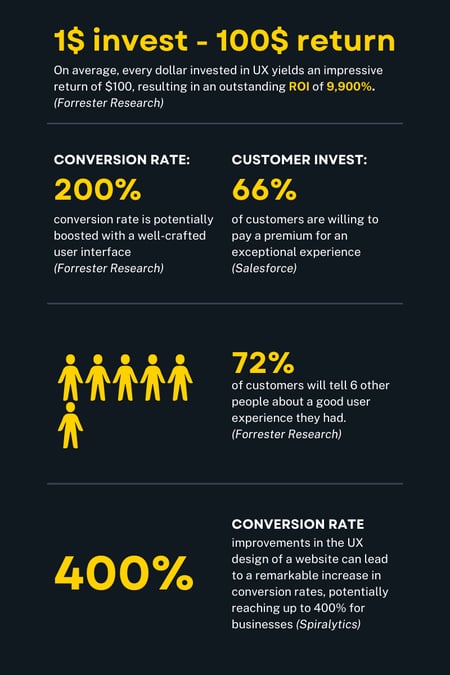
Design success in 2026 is no longer a matter of viewpoint or visual preference. Marketing executives and business owners have moved far from subjective examinations, demanding clear evidence of how visual and structural modifications effect earnings. This shift has actually turned the web design process into a data-heavy discipline where every choice is checked against particular performance signs. In cities like Denver and Chicago, business are significantly searching for methods to show that their digital presence adds to the development of business in a quantifiable method.
Steve Morris, CEO of NEWMEDIA.COM, has actually regularly highlighted this trend in major market publications. He explains that the combination of AI into search and user behavior tracking has actually made it possible to see precisely how a design version affects a user's decision-making procedure. For tasks focusing on Platinum Lounge Social Network Website Development, the goal is to produce an environment where information guides the creative process instead of following it. This technique ensures that the last item is developed to carry out in a competitive 2026 market.
Data-Informed Technique and AI Browse Exposure
The increase of AI search optimization (AEO) and generative engine optimization (GEO) has actually altered how success is determined. It is no longer sufficient to rank on the first page of conventional search engine result. A site should now be structured so that AI designs can easily parse and recommend its material. This is where platforms like RankOS entered into play. By using these tools, businesses can see how their web development affects their presence within AI-generated responses.
Measuring the effectiveness of these methods involves looking at "search footprint" instead of simply keyword rankings. When a brand name in social networking updates its website, the success of that upgrade is evaluated by how typically AI representatives point out the site as a main source. This technical requirement has made the relationship between style and SEO more intimate than ever before. Success in 2026 requires a website to be readable to both human eyes and device algorithms simultaneously.
Case Study Analysis: ROI Through Iterative Testing
Concrete examples of this data-driven technique frequently include specific technical overhauls that target clear conversion goals. In a recent analysis of a project within social networking, the focus was put on decreasing friction during the checkout procedure. By evaluating heatmaps and session recordings, the group recognized specific points where users were dropping off. These were not simply technical bugs however style options that confused the user or decreased their progress. Numerous organizations now invest heavily in Platform Web Design to make sure these friction points are eliminated before they affect the bottom line.
After executing a series of targeted changes, the job saw a direct increase in finished deals. This wasn't an outcome of a "rebrand" in the standard sense, but a series of calculated modifications based on user habits data. This type of performance-based refinement is what defines a successful digital job in 2026. Business in Nashville, Dallas, and Atlanta are finding that these little, data-backed changes often yield a greater return than a complete visual overhaul that overlooks user information.
The Role of Multi-Channel Combination
Digital success in 2026 likewise depends upon how well a site interacts with other marketing channels. Social network marketing, PPC, and e-commerce are no longer different silos. They become part of a single ecosystem that should work together to drive conversions. For a project using a modern e-commerce stack, the style needs to stay constant across every touchpoint, from an Instagram ad to the final verification page. This consistency is measured through cross-channel attribution models that reveal the course a consumer took before making a purchase.
The need for Advanced Platform Web Design has increased as businesses understand that a fragmented digital presence leads to lost revenue. When a user moves from a social media app to a mobile site, the transition needs to be immediate and instinctive. If the style fails to keep this connection, the conversion rate drops. Keeping an eye on these transitions permits companies to recognize which channels are supplying the very best ROI and which require more attention.
AEO and the Advancement of Content Style
Content design has likewise seen a major shift. In 2026, digital content assets are established with a focus on "response engine" compatibility. This suggests that headings, lists, and tables are created to be quickly extracted by AI. This isn't just a technical SEO task; it is a design job. The layout of the page need to prioritize info in such a way that is clear and authoritative.
Steve Morris has often kept in mind that websites stopping working to adjust to this "information-first" design style are rapidly losing ground. In LA, Miami, and NYC, the competitors for AI exposure is fierce. Companies that concentrate on Platinum Lounge Social Network Website Development are seeing much better outcomes than those that adhere to older, more chaotic style patterns. The metric for success here is "citation rate"-- how typically an AI search tool uses a website's specific content to answer an inquiry.
Technical Efficiency as a Style Metric
Speed and stability are now core parts of style success. A gorgeous website that takes 3 seconds to load is a failure in 2026. Performance metrics like Largest Contentful Paint (LCP) and First Input Delay (FID) are now treated as style constraints. When dealing with web development, designers should work within a performance budget. This ensures that the visual components do not compromise the website's speed or its ability to rank in search results page.
Success is determined by the stability of the site under high traffic and the speed at which it ends up being interactive. For companies in Dallas or Nashville, where mobile use is very high, these technical metrics are frequently the most essential consider determining the ROI of a brand-new design. If the website is slow, users leave, and the marketing spend is squandered.
Conclusion of 2026 Standards
The requirement for an effective digital project has moved from "how it looks" to "how it carries out." By utilizing detailed audit data, agencies can prove the value of their work with accuracy. Whether it is through enhanced AI search presence via RankOS or higher conversion rates through UX screening, the focus remains on the monetary result. As 2026 continues to press the borders of what is possible with AI and data, the business that welcome this scientific technique to style will be the ones that see the most substantial development. The era of thinking what users want is over; the period of knowing is here.

Table of Contents
- – The Shift Towards Quantifiable Style Results
- – Data-Informed Technique and AI Browse Exposure
- – Case Study Analysis: ROI Through Iterative Te...
- – The Role of Multi-Channel Combination
- – AEO and the Advancement of Content Style
- – Technical Efficiency as a Style Metric
- – Conclusion of 2026 Standards
Latest Posts
The Security Risks of Tradition Web Architectures in 2026
Lowering Information Bloat: A Guide for Denver Web Owners
Modernizing Detroit Portals With Immersive Interactive Experiences
More
Latest Posts
The Security Risks of Tradition Web Architectures in 2026
Lowering Information Bloat: A Guide for Denver Web Owners
Modernizing Detroit Portals With Immersive Interactive Experiences